
MOT Certificate
If your vehicle passes the test, you will receive a pass certificate. If the vehicle fails to meet the required standard, an MOT certificate will not be issued and you will receive a failure sheet identifying defects, that need to be rectified for an MOT certificate to be issued.What happen if you don’t get your annual MOT?
It is the responsibility of the driver/owner of the vehicle to ensure that the vehicle has a valid MOT certificate in place. If the MOT has expired, it is an offence to drive or park the vehicle on a public highway, and if the police or VOSA identify this, they can inflict a fine of up to £1,000!
Don’t run this risk, book an MOT Test today with one of our MOTRIO Service Centres.
During your appointment, a friendly DVSA-accredited MOT tester will ensure that your vehicle is road-worthy and meets all safety and environmental standards.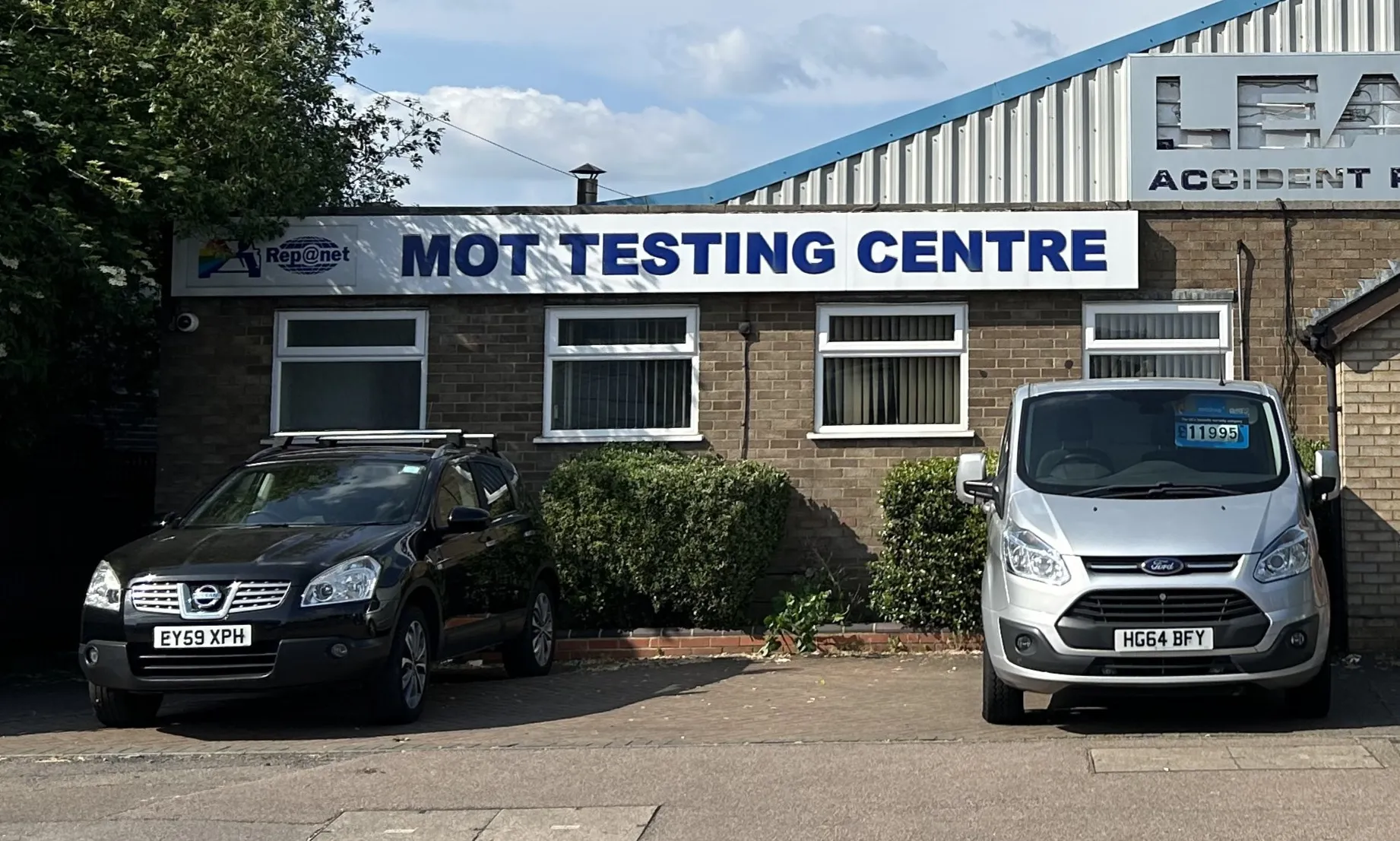
The MOT test is a legally required inspection in the UK, aimed at keeping vehicles safe and reducing accidents caused by defects. This MOT checklist explains what is checked during the test, what you can check yourself before booking, and what happens if your car fails. It is not the same as a service, which looks at the general mechanical condition of the car.
What is an MOT test
If you buy a new car, the first MOT is due by its third year of registration and then every year after that. You can have the test done up to one month before your current certificate expires. If the car passes you receive an MOT certificate, and if it fails you get a list of defects to fix. Driving without a valid MOT is an offence and can mean a fine of up to £1,000.
What is checked during an MOT (the MOT checklist)
An MOT covers more than 100 checks across several categories. The main areas inspected are:
• Lights and signalling: headlights, sidelights, brake lights, indicators and fog lights. This is the single most common reason for failure.
• Tyres and wheels: condition, size and a tread depth of at least 1.6 mm.
• Brakes: condition, operation and overall braking performance.
• Steering and suspension: wear, play and correct operation.
• Visibility: windscreen condition, wipers, washers and mirrors.
• Seat belts, airbags and the horn.
• Exhaust and emissions, plus the body, structure and registration plate.
Pre MOT checklist: what you can check yourself
A few simple checks at home can boost your chances of passing first time:
• Walk around the car with all lights on and replace any blown bulbs.
• Check tyre tread (1.6 mm minimum) and pressures, and look for cuts or bulges.
• Top up the washer fluid and replace worn wiper blades.
• Make sure the number plate is clean and legible and the horn works.
• Check that no dashboard warning lights stay on, as some can cause a failure.
What happens if your car fails
Since 2018, defects are graded as minor, major or dangerous. A car with only minor defects still passes, while major or dangerous defects mean a fail. You normally have the car retested after repairs, and you must not drive a vehicle with a dangerous defect or an expired MOT on a public road.
Get ahead of the test: book an MOT at your nearest Motrio centre, DVSA approved and ready to help you pass. Motrio Car Repair Shops: professional service for all vehicle brands