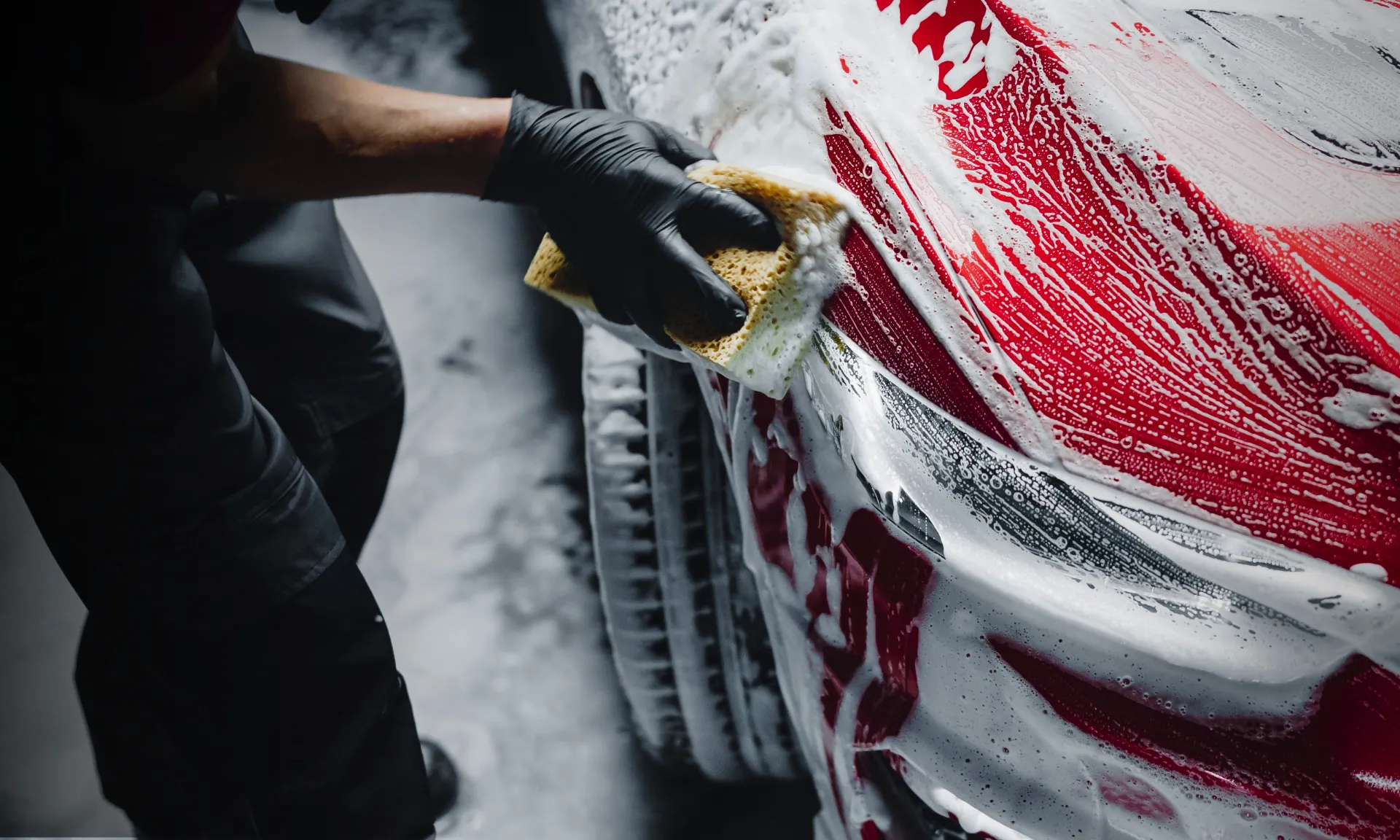
How to wash a car: simple and effective tips
Washing your car is often seen as a purely cosmetic task, but regular cleaning plays a much more important role in vehicle care. Dirt, road grime and environmental residue build up over time and can affect both the appearance and condition of your car. Understanding how to wash a car properly helps protect exterior surfaces, improve visibility and support overall vehicle maintenance.
Why washing your car regularly matters
Everyday driving exposes a car to a wide range of contaminants. Dust, pollution, insect residue and road salt during colder months can all settle on the bodywork and glass. Over time, these substances may damage paintwork, dull headlights and make cleaning more difficult if they are not removed regularly.
Regular washing helps preserve the exterior finish and limits the risk of long-term damage. Clean windows, mirrors and lights are also essential for safe driving, as visibility can quickly be reduced by dirt and residue, especially in bad weather or low-light conditions.
Many drivers wonder how often should you wash your car. As a general rule, washing every two weeks is recommended for most vehicles. However, this may vary depending on driving conditions, weather and whether the car is parked outdoors or in a garage.
Washing your car regularly also gives you the opportunity to notice potential issues earlier. Scratches, stone chips or loose trim are often easier to spot on a clean vehicle. More generally, adopting good habits for everyday car care makes a real difference. In this context, the article tricks and fun facts on cars that every true motorist should know offers practical tips and useful insights that go beyond washing alone. For these reasons, washing your car should be considered part of routine vehicle maintenance, not just an occasional task.
How to wash a car by hand at home
Knowing how to wash a car at home is simple when the right products and techniques are used. Household cleaning products are not recommended, as they can be too harsh and may damage paintwork or exterior plastics. Some drivers ask can I use washing up liquid to wash my car, but this should be avoided as dish soap can strip protective wax and dry out rubber seals.
For those wondering what can I use to wash my car at home, the best way to wash a car involves using a dedicated car shampoo, a soft sponge or wash mitt, two buckets (one for soapy water and one for rinsing), and a microfibre cloth for drying. These products ensure a thorough clean without risking scratches or damage to the vehicle's surface.
Washing the car in the shade and on a cool surface helps prevent water spots and streaks caused by rapid drying. It is recommended to start from the top of the vehicle and work downwards, as lower areas are usually the dirtiest. Rinse the sponge or mitt frequently in the clean water bucket to avoid spreading dirt across the paintwork.
Special attention should be paid to wheels, lower panels and the windscreen. Wheels often accumulate brake dust and road grime, so using a separate brush or cloth for this area helps prevent contamination of the main wash tools. A clean windscreen is essential for good visibility, but its effectiveness also depends on the condition of the wiper blades. Worn blades can leave smears and reduce visibility even after washing. Motrio garages provide checks and replacements through the wiper blade service at Motrio to help maintain clear vision in all driving conditions.
Automatic car wash and touchless options
For drivers with limited time, an automatic car wash can be a convenient alternative to washing by hand. These drive-through systems offer quick cleaning with minimal effort required from the driver. They are widely available at petrol stations and dedicated car wash facilities.
However, traditional automatic washes with rotating brushes may cause fine scratches over time, especially on darker paintwork. A touchless car wash offers a gentler option, using high-pressure water jets and cleaning solutions without any physical contact with the vehicle's surface. This reduces the risk of swirl marks while still providing an effective clean.
Before entering any automatic wash, it is advisable to remove loose items from the roof, retract aerials if possible, and fold in wing mirrors. Checking that all windows are fully closed helps avoid water entering the cabin during the wash cycle.
Self-service car washes offer a middle ground between hand washing and automatic options. These facilities provide pressure washers and cleaning products that drivers can use themselves, allowing more control over the process while benefiting from professional-grade equipment.
Drying and finishing your car
After washing, drying the car properly is just as important as the cleaning itself. Allowing water to air dry can leave mineral deposits and water spots on the paintwork, particularly in areas with hard water. Using a clean microfibre drying towel or a synthetic chamois helps absorb water quickly and leaves a streak-free finish.
Working from top to bottom ensures that water dripping from upper panels does not rewet areas that have already been dried. Pay particular attention to door handles, wing mirrors and window seals, where water tends to collect and drip onto the bodywork later.
For added protection, applying a layer of wax or sealant after washing creates a barrier against dirt, water and UV rays. This not only enhances the shine but also makes future washes easier, as contaminants are less likely to bond with the protected surface.
Vehicle maintenance and visual checks at Motrio
Washing your car is also the ideal moment to carry out a quick visual inspection. Checking the condition of tyres, lights, windows and wiper blades can help identify issues before they affect safety or driving comfort.
Vehicle maintenance is not only about appearance. It plays a direct role in road safety and reliability. At Motrio garages, professionals can carry out visual checks and advise drivers on components that may need attention based on the vehicle's condition and everyday use.
Even simple issues, such as worn wiper blades or cloudy headlights, can have a noticeable impact on visibility. Addressing these points early helps keep your car safe and comfortable throughout the year.
To go further with vehicle care and ensure your car stays clean, safe and well maintained, discover your nearest Motrio repairer and choose a garage close to you.