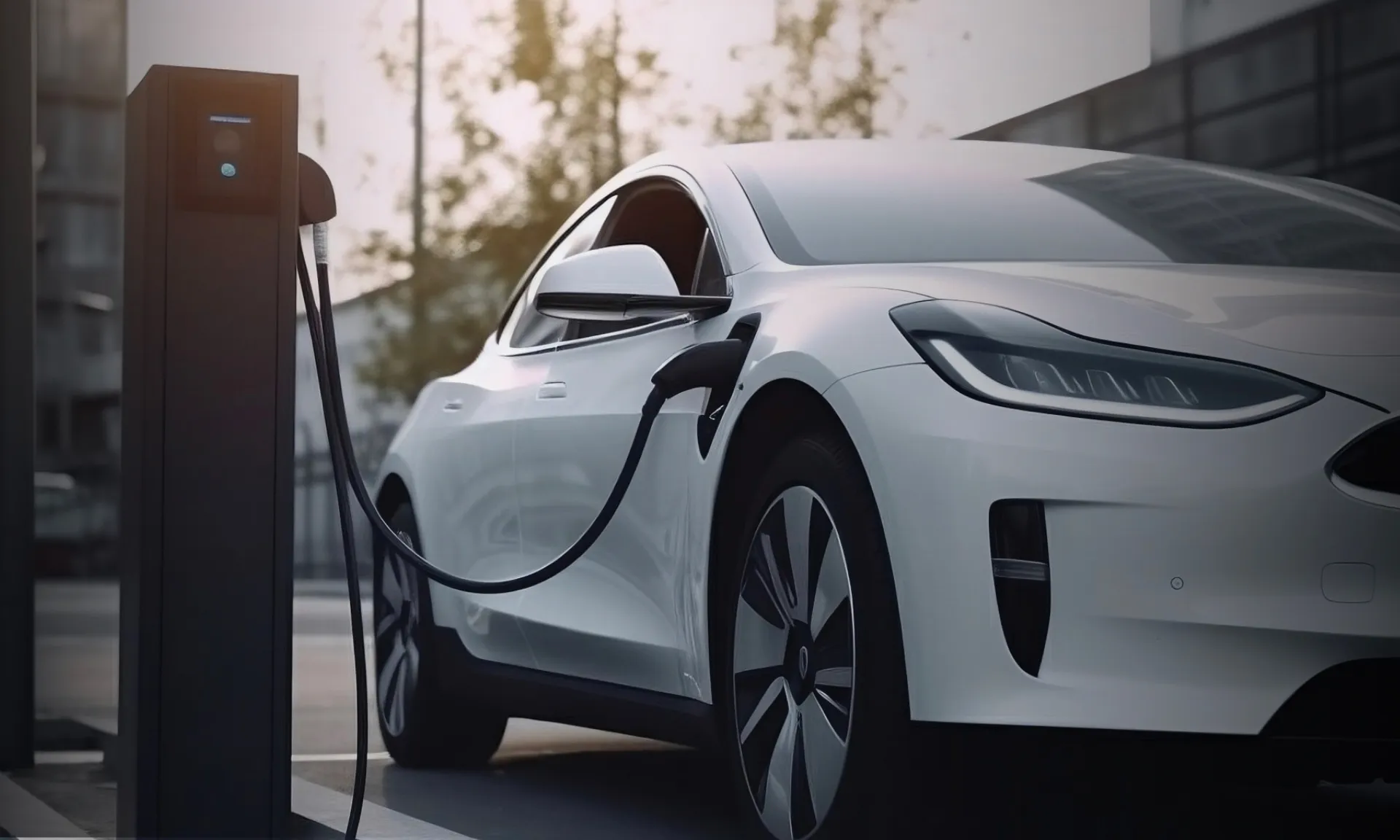
How much is it to charge an electric car?
As electric vehicles become increasingly common across the UK, many drivers want to understand the real cost of owning and using one. A frequent question is how much is it to charge an electric car, especially compared to traditional petrol or diesel vehicles. The answer depends on where the car is charged, electricity prices and how the vehicle is used. Knowing these factors helps drivers better manage costs and make informed decisions about electric mobility.
How much is it to charge an electric car at home?
Charging an electric car at home is generally the most affordable option for UK drivers. The cost of charging electric car at home mainly depends on the price of electricity per kilowatt-hour and the size of the vehicle's battery.
Electricity tariffs in the UK vary depending on the supplier and the type of contract. Many households benefit from off-peak or overnight tariffs, which can significantly reduce charging costs. In practical terms, charging an electric car at home usually costs less than refuelling a petrol or diesel vehicle for the same distance.
For example, a medium-sized electric car with a battery of around 60 kWh will cost more to fully charge than a smaller city car, but it will also provide a longer driving range. Charging habits also matter. Drivers who top up regularly tend to manage costs better than those who wait until the battery is almost empty.
Many drivers ask can you charge an electric car at home and the answer is yes, provided you have access to a suitable power source. Home charging costs can be influenced by the charging solution used. While a standard socket may be suitable for occasional use, reinforced or dedicated charging systems offer greater reliability and safety for regular charging.
How to charge an electric car
Understanding how to charge electric car properly is essential for any EV owner. The process is straightforward, but there are different options depending on where you are and how quickly you need to charge.
For those wondering how do you charge an electric car, the basic principle is simple: connect the charging cable between your vehicle and a power source. At home, this typically means plugging into a dedicated wallbox or, in some cases, a reinforced domestic socket.
Learning how to charge electric car at home efficiently involves choosing the right time to charge. Many electricity suppliers offer cheaper rates during off-peak hours, usually overnight. Setting your vehicle to charge during these periods can significantly reduce running costs over time.
For drivers who ask how do you charge an electric car at home without a dedicated charger, it is possible to use a standard three-pin plug, but this method is slower and should only be used occasionally. A dedicated home charging point is recommended for regular use as it provides faster charging speeds and built-in safety features.
What affects the cost of charging an electric car?
Several factors influence the cost of charging electric car and the overall electric car charging cost, whether at home or when charging elsewhere.
One of the main factors is electricity pricing. Peak and off-peak rates can make a noticeable difference to overall costs. Battery capacity is another key element. Larger batteries require more energy to charge, although they generally offer greater driving range.
Driving conditions and habits also play a role. Frequent short trips, high motorway speeds or colder weather can increase energy consumption. Temperature, in particular, can affect battery efficiency, leading to longer electric car charging time and slightly higher costs.
Understanding the type of vehicle you drive is also important. Electric cars are often classed as low-emission vehicles, which come with specific characteristics and benefits. For a clearer overview of what defines this category, the article what is a low emission vehicle explains how these vehicles differ from conventional models and why their operating costs can be lower over time.
The condition of the vehicle should not be overlooked. Battery management systems, charging ports and electrical components must work efficiently to ensure optimal energy use. Poor maintenance can lead to higher consumption and reduced charging efficiency. The electric car service cost is generally lower than for conventional vehicles, but regular checks remain important.
How long does it take to charge an electric car?
A common question from new EV owners is how long does an electric car take to charge. The answer varies considerably depending on the battery size and the type of charger used.
Home charging with a standard wallbox typically takes between 6 and 12 hours for a full charge, making overnight charging the most practical option. Rapid chargers found at motorway services can provide an 80% charge in as little as 30 to 60 minutes, depending on the vehicle and charger specifications.
Understanding these timings helps drivers plan their journeys and charging routine effectively. For daily commuting, home charging overnight is usually sufficient, while longer trips may require stops at public charging stations.
Electric vehicle maintenance at Motrio
Charging costs are closely linked to the overall condition of the electric vehicle. Although electric cars have fewer mechanical parts than traditional vehicles, they still require regular inspections and diagnostic checks.
At Motrio garages, trained technicians can carry out electric vehicle maintenance focused on key systems such as the battery, charging equipment and electrical architecture. These checks help identify potential issues early, preventing faults that could affect charging efficiency or vehicle reliability.
Proper maintenance supports battery longevity, stable performance and predictable charging behaviour. It also ensures that software updates and safety systems continue to function as intended, which is essential for everyday driving.
In this context, regular checks are recommended. Services such as electric vehicle maintenance at Motrio help ensure that electrical systems and charging components are operating correctly, contributing to better performance and controlled running costs.
If you want to better understand the cost of charging your electric car and make sure your vehicle remains efficient over time, professional advice can be extremely valuable. To receive personalised support and guidance, get in touch with Motrio and speak to an expert who can help you manage your electric vehicle with confidence.