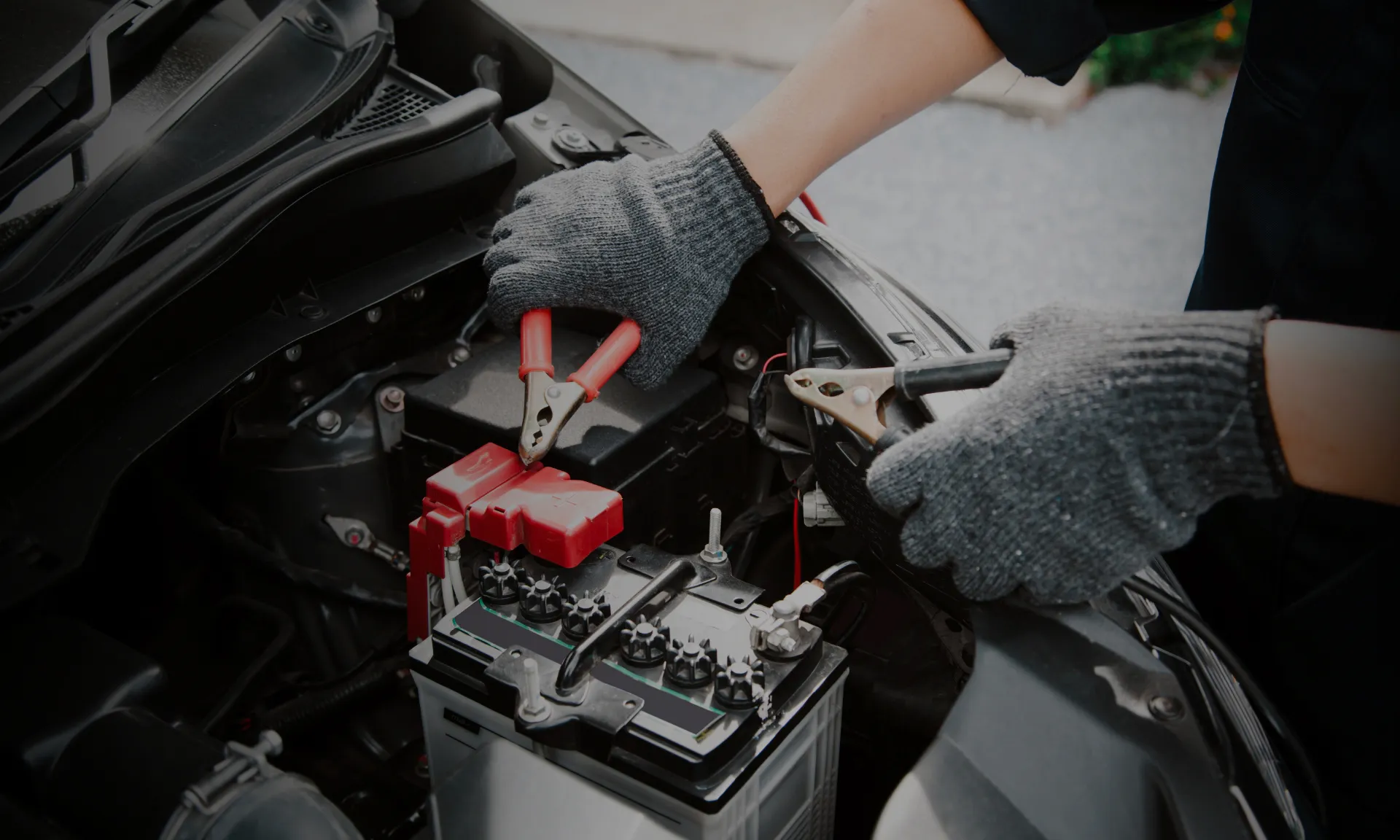
Car battery check: when and why to test it
The car battery is one of the most heavily used components in a vehicle, even though its role often goes unnoticed. It is not only responsible for starting the engine, but also for powering the entire electrical and electronic system. A weak battery can appear to work normally and then fail without warning. This is why carrying out a regular car battery check is essential to prevent unexpected breakdowns and keep your vehicle reliable.
Why is a car battery check important?
Over time, every car battery naturally loses capacity. This process is gradual and influenced by several factors, including weather conditions, driving habits and how often the vehicle is used. Frequent short journeys, for example, may not allow the battery to fully recharge, accelerating wear.
For this reason, it is important not to wait for a complete failure before taking action. Knowing how to check car battery condition provides a clear picture of its real state and helps identify potential issues early. In practical terms, a car battery check is recommended every two years, or once the battery is around four years old.
There are certain situations when checking the battery becomes even more important: before winter, when cold temperatures put extra strain on the battery; before a long journey, to reduce the risk of being stranded; and during routine vehicle maintenance, even if no warning signs are present.
A professional car battery health check goes beyond a simple voltage reading. In a workshop, technicians assess the battery's actual ability to deliver enough power to start the engine. It is quite common for a battery to show correct voltage but still struggle under load.
A weak battery can also affect other components, such as the alternator and the wider electrical system. When the battery cannot hold a proper charge, the alternator has to work harder, which can lead to premature wear. Regular checks therefore play an important role in maintaining the overall reliability of the vehicle.
Modern vehicles are particularly dependent on battery health due to the number of electronic systems they contain. From engine management to safety features, many components require a stable power supply to function correctly.
How to check car battery health
Understanding how to check car battery health can help you monitor your battery's condition between professional services. While a full diagnostic requires specialist equipment, there are some basic checks you can perform at home.
The simplest way to check car battery condition is to observe how the engine starts. If the starter motor turns slowly or the engine takes longer than usual to fire, this may indicate a weakening battery. Paying attention to these early signs can help you avoid being caught out by a car battery dead situation.
For those who want to know how to test car battery more precisely, a multimeter can be used to measure voltage. What voltage should a car battery be? A fully charged battery should read around 12.6 volts with the engine off. If the reading falls below 12.4 volts, the battery may be partially discharged and could struggle in cold weather.
However, voltage alone does not tell the full story. A battery can show normal voltage but fail to deliver sufficient current when starting the engine. This is why a professional car battery condition check with load testing equipment provides a more accurate assessment of battery health.
Signs your car battery may need checking
Before a battery fails completely, it usually shows clear warning signs. Recognising them early allows you to act before the vehicle becomes unusable.
One of the most common symptoms is slow or hesitant starting, especially in cold weather or after the car has been parked for a while. This often indicates that the battery is no longer able to deliver sufficient power.
Other signs to watch out for include dim or flickering lights, both inside and outside the vehicle. If you notice the battery light on car dashboard illuminated, this is a clear warning that the charging system needs attention. Corrosion around the battery terminals can also affect electrical connections and reduce performance.
Dashboard warning lights are designed to alert drivers to potential issues with the vehicle. Understanding the dashboard warning lights related to the electrical system and battery is essential to identify problems early and avoid more serious damage. In this context, the article on how to recognise dashboard warning lights and symbols explains what the main alerts mean and when it is advisable to have the vehicle checked.
If your vehicle has been standing unused for an extended period, the battery may have discharged significantly. In some cases, a car battery dead scenario can occur even with a relatively new battery if the vehicle is not driven regularly enough to maintain charge.
Car battery check at a Motrio garage
When a battery check shows signs of weakness, the next step depends on the battery's condition and how the vehicle is used. At a Motrio garage, a car battery check is carried out using professional diagnostic equipment to measure voltage, charging capacity and the performance of the electrical system.
Technicians also inspect the battery connections and terminals to identify any issues that could affect performance. Corroded or loose terminals can prevent the battery from charging properly and may cause intermittent electrical problems.
Based on the results, they can recommend the most suitable solution, whether that involves maintenance, recharging or replacing the battery with one that meets manufacturer specifications. A battery that matches the vehicle's requirements ensures optimal performance and longevity. This approach helps prevent unexpected breakdowns and ensures reliable starting in everyday driving.
To have your battery checked by trained professionals who use the latest diagnostic equipment, visit the Motrio car battery service and book an appointment at a Motrio garage near you.